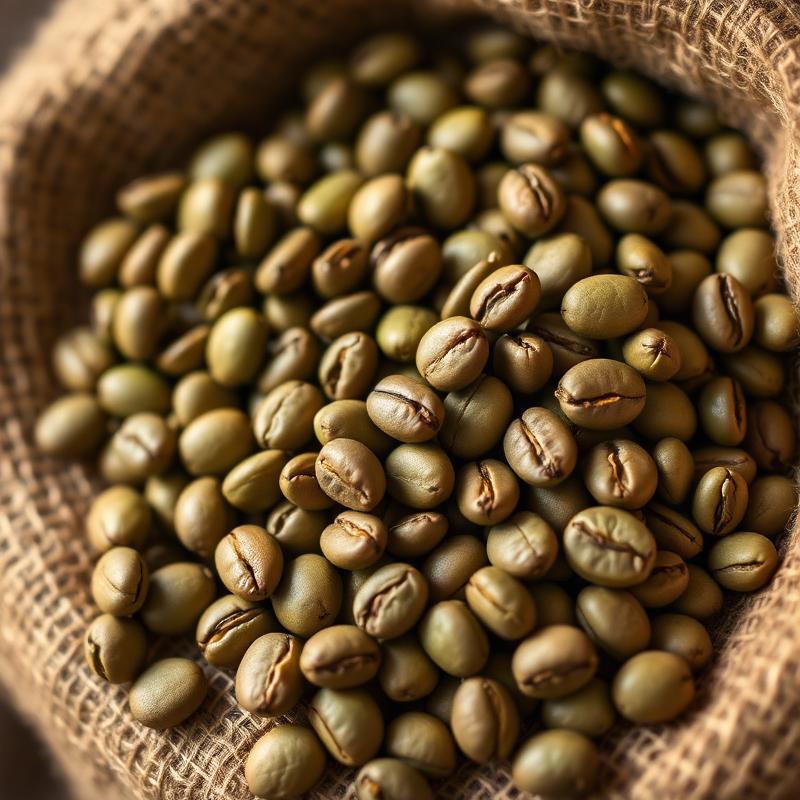
Direct Supply
Direct supply from Ethiopian producers, cooperatives and established exporters, with a focus on specialty Grade 1 and Grade 2 Arabica lots.
Ethiopia is widely recognised as the birthplace of Arabica coffee and remains one of the world's most important sources of high-grown, specialty-grade green coffee. We specialize in micro-lot Ethiopian specialty coffee that is fully traceable back to the specific washing station. Each lot of Ethiopian Grade 1 heirloom beans is selected for its superior cup profile — from bright, floral and citrus notes to rich, fruity body — with SCA cup scores typically ranging from 84 to 92.
Our commitment to Grade 1 quality and traceability means every lot is sourced directly from forest-grown Arabica Ethiopia farms. Whether you're sourcing for light-roast filter programs or espresso blends, we supply non-GMO Ethiopian green coffee beans with complete origin transparency and full pre-shipment documentation.
Direct supply from Ethiopian producers, cooperatives and established exporters, with a focus on specialty Grade 1 and Grade 2 Arabica lots.
Clear technical specs for each offer: region, altitude range, processing, screen size, moisture, defects, and cup profile.
End-to-end export support, including commercial documents and coordination with your freight forwarder or nominated shipping line.
Arabica coffee evolved naturally in Ethiopia's highlands and remains deeply integrated into rural farming systems and daily culture. Today the country is Africa's largest Arabica producer, with millions of smallholders cultivating coffee at elevations that often exceed 1,800 metres above sea level.
Strictly High Grown
Elevations of 1,500–2,200m contributing to dense beans and concentrated flavour.
Heirloom Varieties
Indigenous Arabica varieties giving Ethiopia an extraordinary genetic pool.
Differentiated Offerings
Altitude and diversity translate into unique profiles for single-origin and blend programmes.
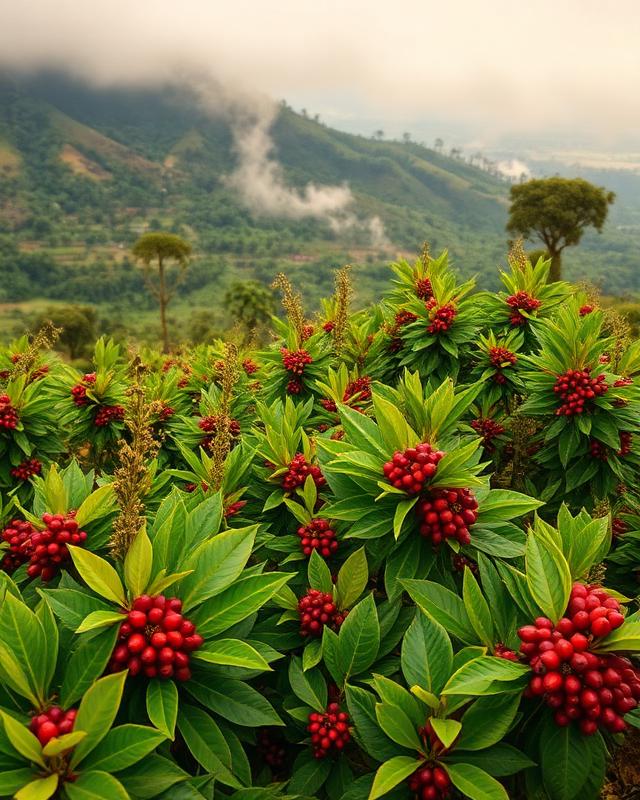
Ethiopian coffees deliver floral and citrus profiles with bright acidity and layered fruit notes. Each origin's raw bean profile highlights distinctive character — from low-acidity washed lots to bold, wine-like naturals — giving roasters clear differentiation across a single-origin program.
Descriptors often include citrus, stone fruit and berry.
Jasmine, bergamot and rose, especially from washed southern lots.
Tea-like clarity for washed; fuller body and jammy sweetness for naturals.
These attributes allow roasters to use Ethiopian coffees to bring brightness and complexity to blends or as stand-alone single origins for filter and espresso menus.
A side-by-side reference for buyers comparing elevation, processing, cupping notes and roastery use case across our four core origins.
| Region | Elevation (MASL) | Primary Processing | Key Cupping Notes | Body & Acidity Profile | Best Roastery Use Case |
|---|---|---|---|---|---|
| Yirgacheffe | 1,700–2,200m | Washed / Natural | Bergamot, Jasmine, Lemon zest | Delicate tea-like body, sparkling citric acidity | Light-roast single origin filter |
| Guji | 1,800–2,300m | Natural / Washed | Blueberry, Peach, Tropical fruit | Silky, syrupy body, vibrant malic acidity | Modern filter & complex espresso |
| Sidamo | 1,500–2,200m | Washed / Natural | Citrus, Apricot, Cane sugar | Medium balanced body, bright crisp acidity | High-versatility filter & espresso blends |
| Harrar | 1,500–2,100m | Sun-dried Natural | Wild berry, Dark chocolate, Wine | Full heavy body, low-to-medium winey acidity | Traditional espresso blends & cold brew |
While Ethiopia has many producing zones, a few names dominate international offer lists and importer demand.
Sidamo (or Sidama) coffees typically combine sweetness, citrus brightness and a balanced body, making them highly versatile for both filter and espresso roasting. Lots can be washed or natural, with profiles ranging from lemon and stone fruit to chocolate and spice depending on micro-region and processing.
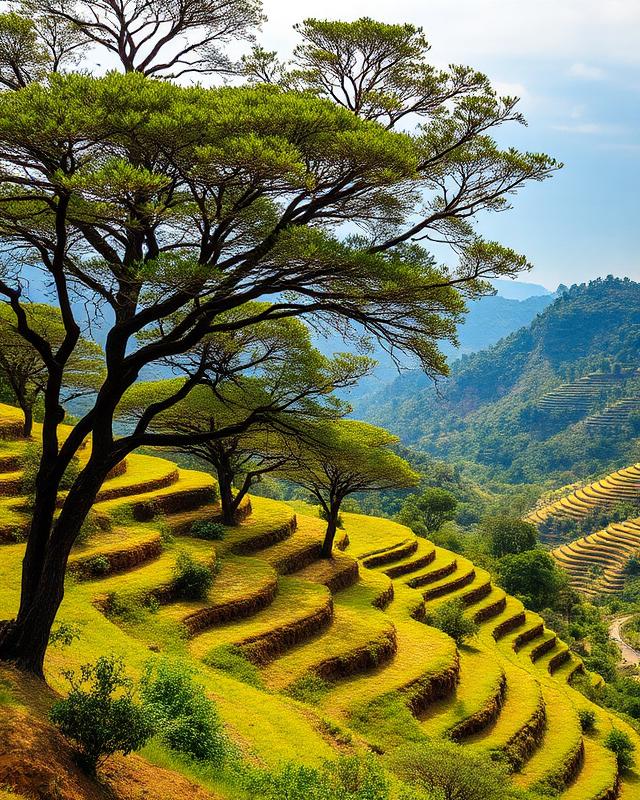
Yirgacheffe, technically a part of the broader Sidamo region, is renowned for its intensely floral, tea-like washed coffees. Expect pronounced jasmine, bergamot and lemon notes with a delicate body and sparkling acidity — ideal for light-to-medium roast single origins.
Guji coffees, grown to the east of Sidamo, have become a favourite for their juicy fruit character, sweetness and balance. Natural Guji lots in particular can show ripe berry, stone fruit and tropical notes with syrupy mouthfeel, while washed selections offer cleaner profiles with citrus and floral tones.

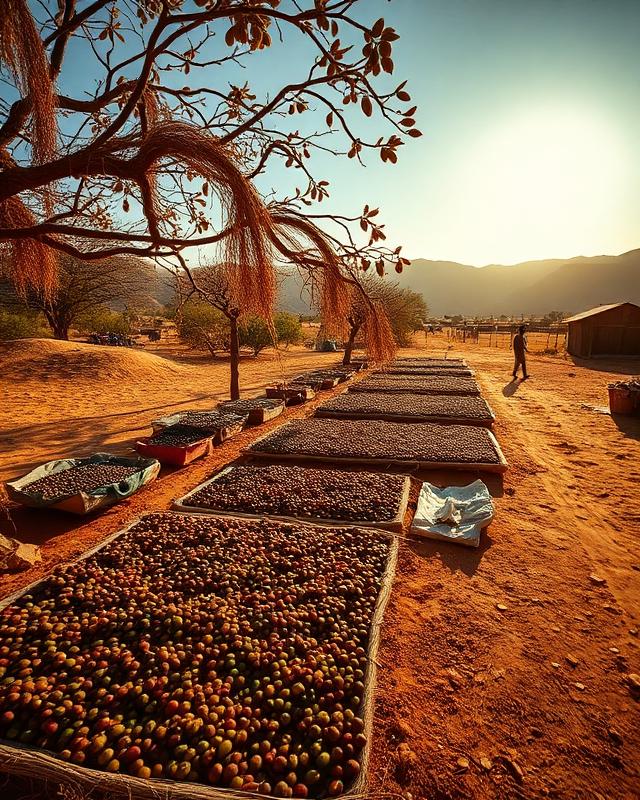
Harrar coffees, often naturally processed, are known for their wild, wine-like and sometimes chocolatey profiles with blueberry and dried fruit notes. Other regions such as Limu, Djimmah and Lekempti produce distinctive profiles that can work well in blends or as more affordable single origins.
Ethiopian coffee benefits from a combination of altitude, climate and traditional agroforestry systems.
Coffee often grows under shade in mixed farming or forest systems, with minimal synthetic input use, supporting complex flavour development.
Growing systems are usually described as forest coffee, semi-forest/garden coffee and plantation coffee, with smallholders dominating production.
Processing methods strongly shape the final cup:
Ethiopian washed coffees tend to show higher clarity, floral aromatics and citrus-forward acidity, especially from Yirgacheffe and parts of Sidamo.
Natural coffees usually deliver heavier body, pronounced berry and tropical fruit notes, and greater perceived sweetness — common in Harrar and Guji.
For importers: When presenting offers, we clearly state process, drying method (raised beds vs patio) and typical flavour descriptors to help match roaster expectations.
Most exportable Ethiopian coffee is graded to reflect physical and cup quality, which importers rely on when building purchase programmes.
Premium Specialty
Very few defects with a clean, high-scoring cup. Often used for premium specialty single origins. Typically scores 84+ on the SCA scale.
Specialty Grade
Slightly higher defect tolerance but still high cup quality. Suitable for specialty blends or single origins at sharper price points.
Cupping Scores
SCA or Q grading frameworks provide standardised lot comparison.
Moisture Content
Typically targeted around 10–12% at export, affecting shelf life and roasting.
Read our detailed guide to Ethiopian Coffee Grades & Quality →
Ethiopian coffee typically moves through exporters and logistics providers via neighbouring ports such as Djibouti for ocean freight. Understanding how your supplier manages the export side is critical for risk, lead times and landed cost.
Receive pre-shipment samples with full lot data and provisional pricing on agreed INCOTERMS (commonly FOB).
Once approved, contracts specify grade, volume, shipment window, port, pricing terms and quality tolerance.
Coffee is processed, bagged (60kg jute with liners), palletised and delivered to port with documentation.
Your freight forwarder manages sea freight, clearance and delivery to your chosen warehouse.
While import requirements vary by market, importers generally expect their Ethiopian supplier to arrange or coordinate key export documents.
Commercial invoice and detailed packing list specifying lot identifiers, bags and net weights
Bill of lading, certificate of origin and, where required, ICO certificate and phytosanitary certificate
Quality documents (grading and cupping reports, moisture readings)
Certification evidence (organic, fair trade, etc.) where applicable
Clearly stating which documents we routinely provide helps reassure new buyers and reduces friction in procurement and compliance processes.
View documentation checklistEuropean Specialty Roaster
3-year Guji programme with seasonal single origins and house-blend component.
US Regional Importer
Annual container programme across Yirgacheffe and Sidamo for wholesale distribution.
UK Private Label Brand
Custom grading and packaging for retail-ready Ethiopian single origin.
Importers increasingly need evidence of traceability and responsible sourcing to satisfy their own customers and regulatory requirements. Ethiopia's smallholder-based coffee sector offers strong narratives on community impact, but also demands careful supply-chain management.
Level of Traceability
From cooperative/region level through to specific washing station or farm, depending on the lot.
Certifications Available
Organic, Fair Trade, Rainforest Alliance and internal standards supported through supply partners.
Community Investment
Investments in agronomy support, quality improvement and community initiatives.
For busy buyers, a concise decision framework is valuable.
Single origin (filter/espresso) vs blend component, with target flavour direction and cup score.
Grade, score and certification level in line with your brand and customer base.
Preferred INCOTERMS, warehouse location and appetite for spot vs forward contracts.
Ethiopian coffee is known for bright acidity, floral aromatics (jasmine, bergamot), and layered fruit notes including citrus, berry, and stone fruit. Washed coffees tend to be tea-like with high clarity, while naturals show fuller body with jammy sweetness.
Yes, Ethiopia produces almost exclusively Arabica coffee. The country is the birthplace of Arabica and home to thousands of indigenous heirloom varieties that give Ethiopian coffees their distinctive and diverse flavour profiles.
Washed (wet-processed) Ethiopian coffees show higher clarity, floral aromatics, and citrus-forward acidity. Natural (dry-processed) coffees deliver heavier body, pronounced berry and tropical fruit notes, and greater perceived sweetness.
The main Ethiopian coffee regions are Sidamo (sweet, citrus, balanced), Yirgacheffe (intensely floral, tea-like), Guji (juicy fruit, stone fruit), and Harrar (wild, wine-like, berry-forward). Each region produces distinct flavour profiles.
Professional buyers can source Ethiopian green coffee directly from exporters (for container volumes), through destination importers (for smaller lots), or via origin partners who provide sampling, QC, and documentation support. See our Buying Guide and Sourcing Guide for detailed information.
Ethiopian Arabica is graded 1-5 based on defect counts per 300g sample. Grade 1 and 2 are specialty grades with minimal defects and high cup quality. Grade 3 is upper commercial, while Grades 4-5 are commercial quality for bulk blends. Learn more in our Grades & Quality Guide.